Industry Insights
The Paradox of Print
Last updated:
October 20, 2026

Over the past two decades, digital printing technology has made extraordinary leaps. Press speeds, image quality, and substrate versatility have all advanced dramatically. But somewhere along the way, the industry overlooked a fundamental problem: what happens after the sheet comes off the press?
A modern large-format digital press runs at 400 to 700 sheets per hour. A conventional die cutting table — the standard solution for finishing those sheets — runs at 15 to 30 sheets per hour. That’s not a minor efficiency gap. That’s a 13-to-1 mismatch.
For every hour of press time, you need 13 hours of cutting time to keep up. The more you invest in digital printing, the worse the bottleneck becomes.
This is the paradox of print.
Rob Weidhaas, founder of Die Cutting Advisors, identified this problem more than a decade ago in a two-part series published in Corrugated Today magazine. The articles argued that the structural materials segment — foam board, styrene, PVC, display board, and similar substrates — was scaling up print capacity while ignoring the finishing constraint entirely.
The original publication is no longer in business, but the problem it described has only grown more relevant.
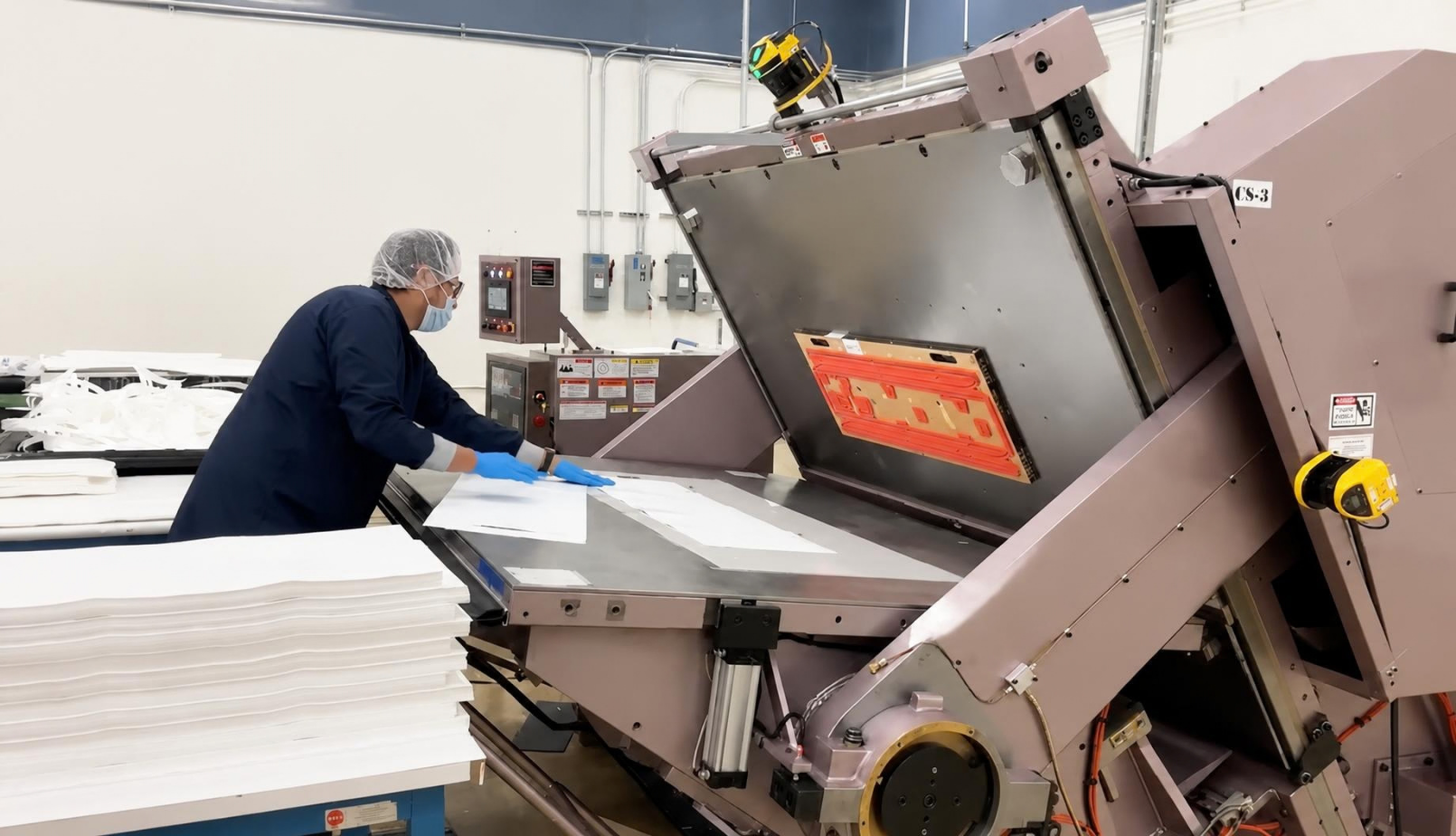
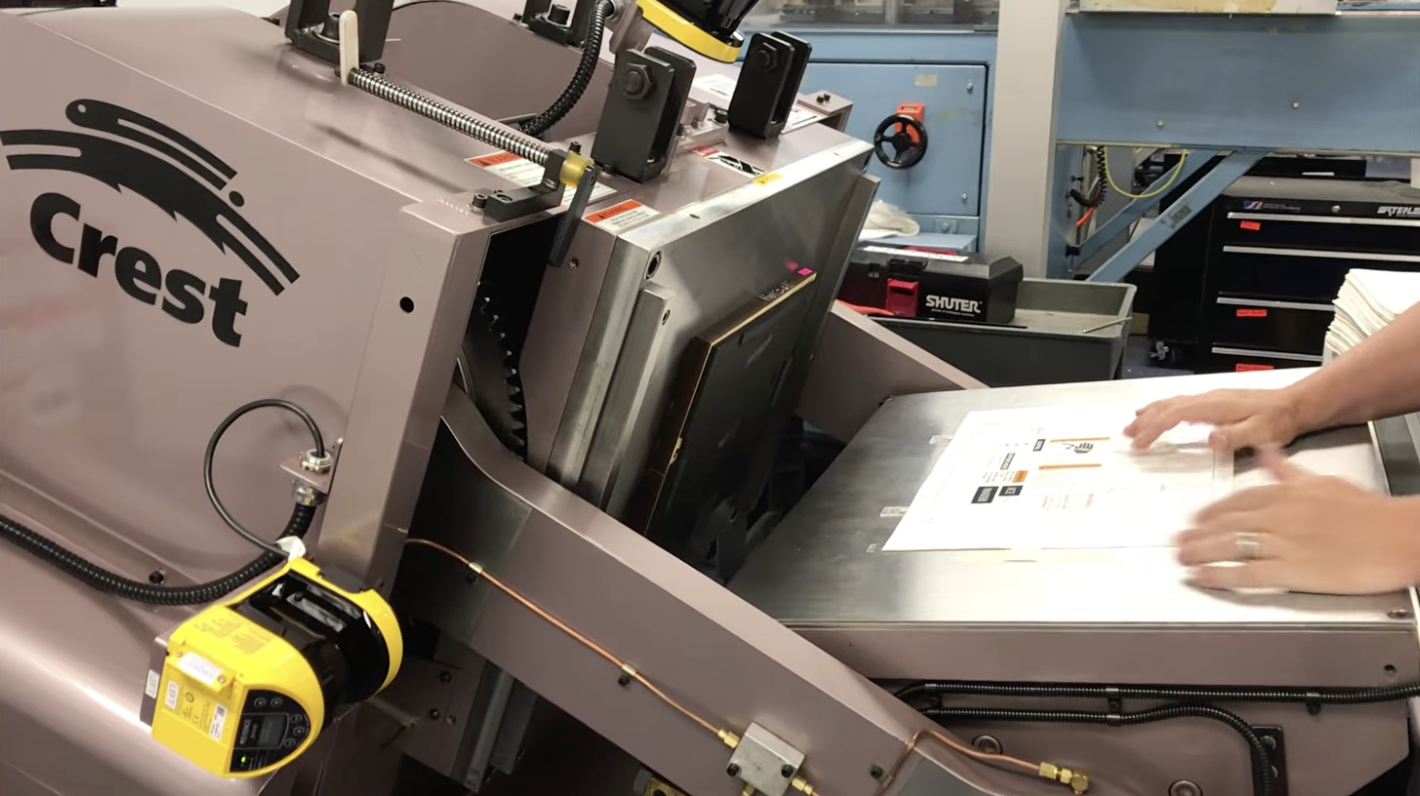
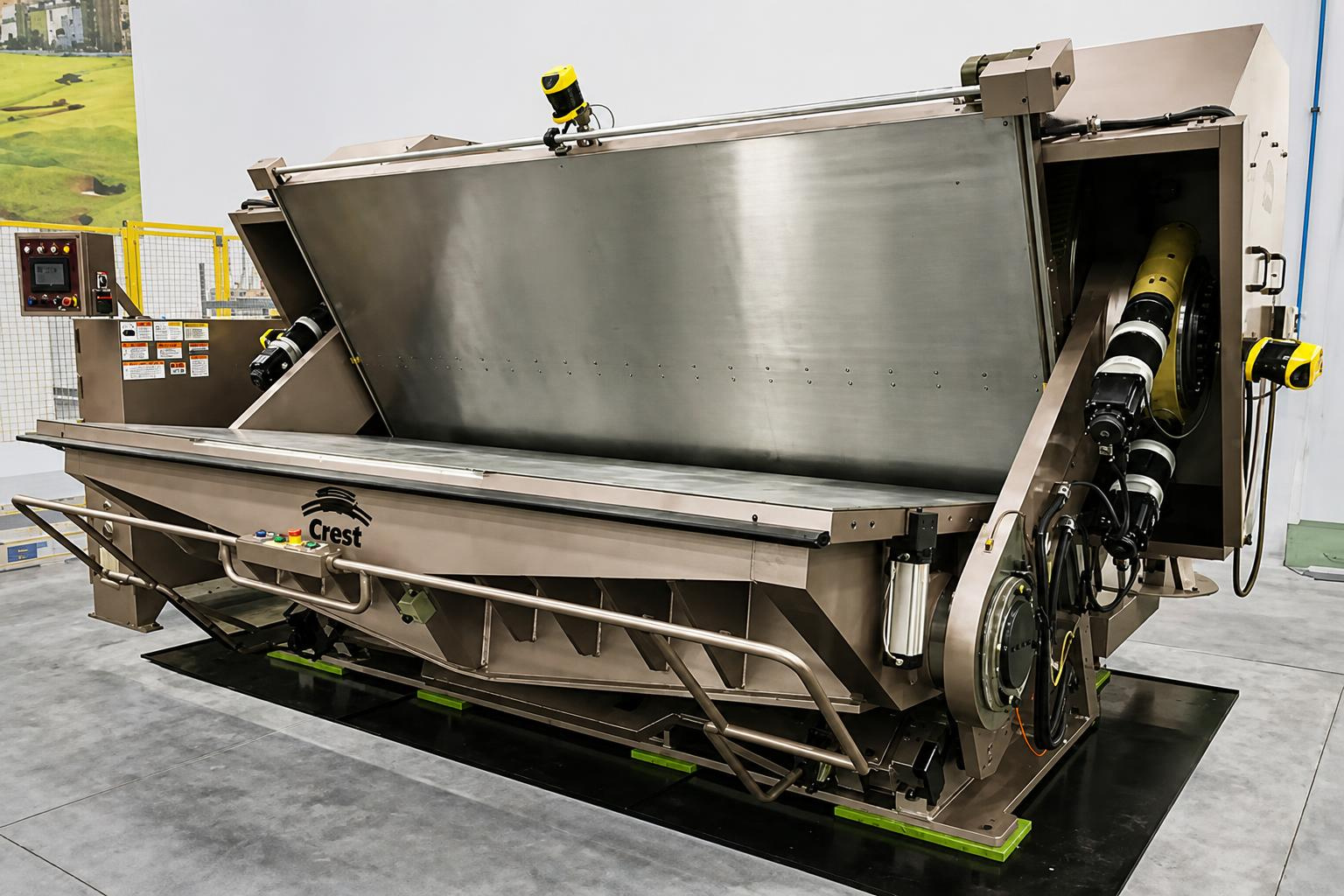
The Crest Clamshell Press was designed specifically to close this gap. Running at 400 to 700 sheets per hour, the Crest matches press output one-for-one. No bottleneck. No backlog. No 13 shifts of cutting for every shift of printing.
The Crest line covers small-, medium-, and large-format applications, with the Widemouth variant handling structural materials up to 1″ thick — the substrates that give conventional die cutting tables the most trouble.
Combined with the Soft Cut urethane pad system — which eliminates steel cutting rules entirely — the Crest produces clean, consistent cuts without makeready, without rule maintenance, and without the downtime that comes with both.
Digital printing in large format is still growing. More presses, more substrates, more volume. The finishing bottleneck isn’t going away on its own.
The shops that recognize this constraint and solve it now are the ones positioned to take on more work, turn it faster, and compete on throughput — not just print quality.
Download the full Paradox of Print brochure for the complete model lineup, Soft Cut system specifications, and speed comparison data.