Industry Insights
Buying Used vs. New: What the Clamshell Press Market Actually Looks Like
Last updated:
September 7, 2026
.png)

The used equipment market is a legitimate path to clamshell die cutting capacity — in theory. In practice, the market for used clamshell presses, particularly for well-maintained machines in specific configurations, is significantly thinner than most buyers expect. Understanding the realities of both the used and new press markets helps buyers make the right decision for their timeline, budget, and production requirements.
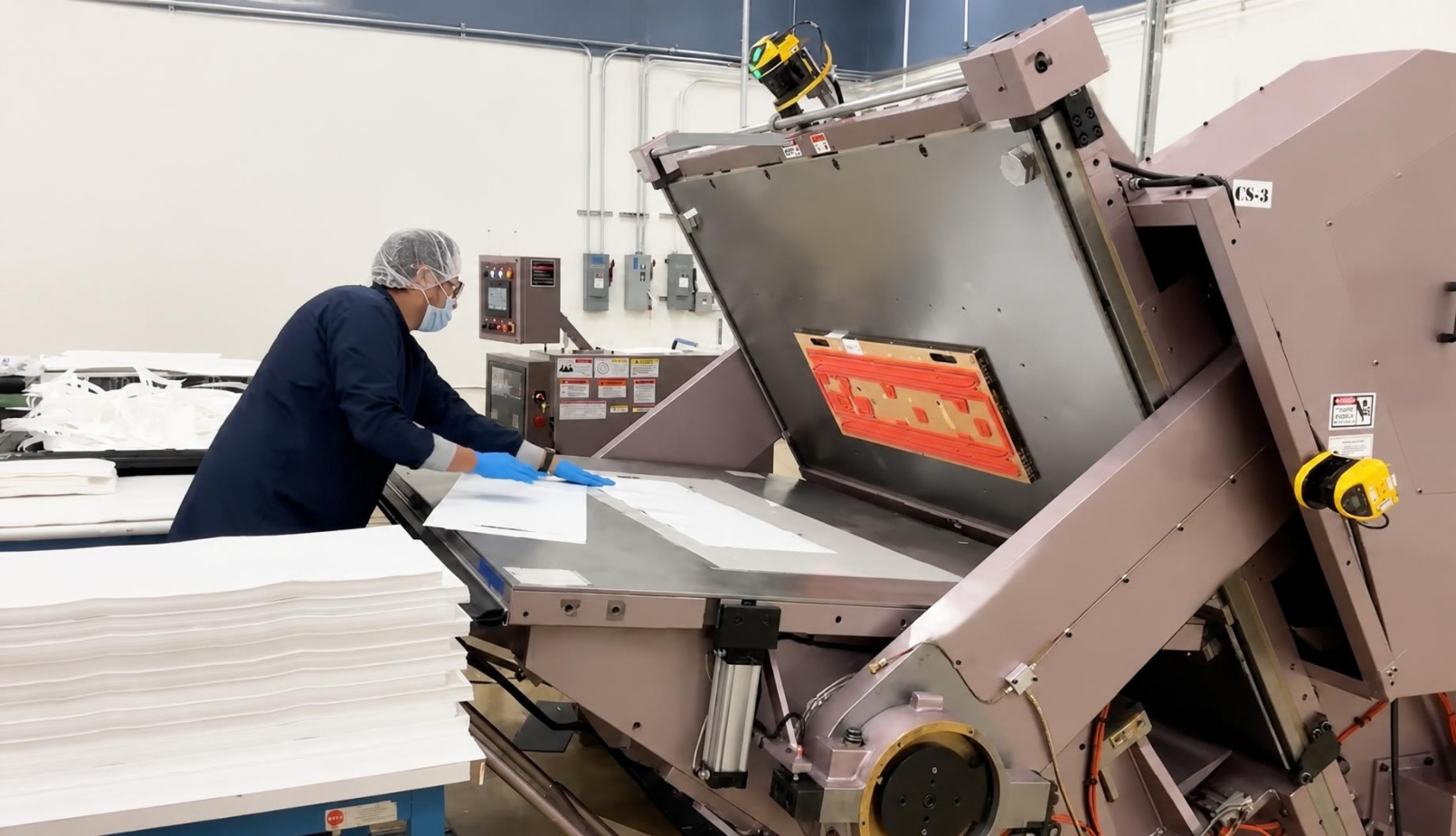
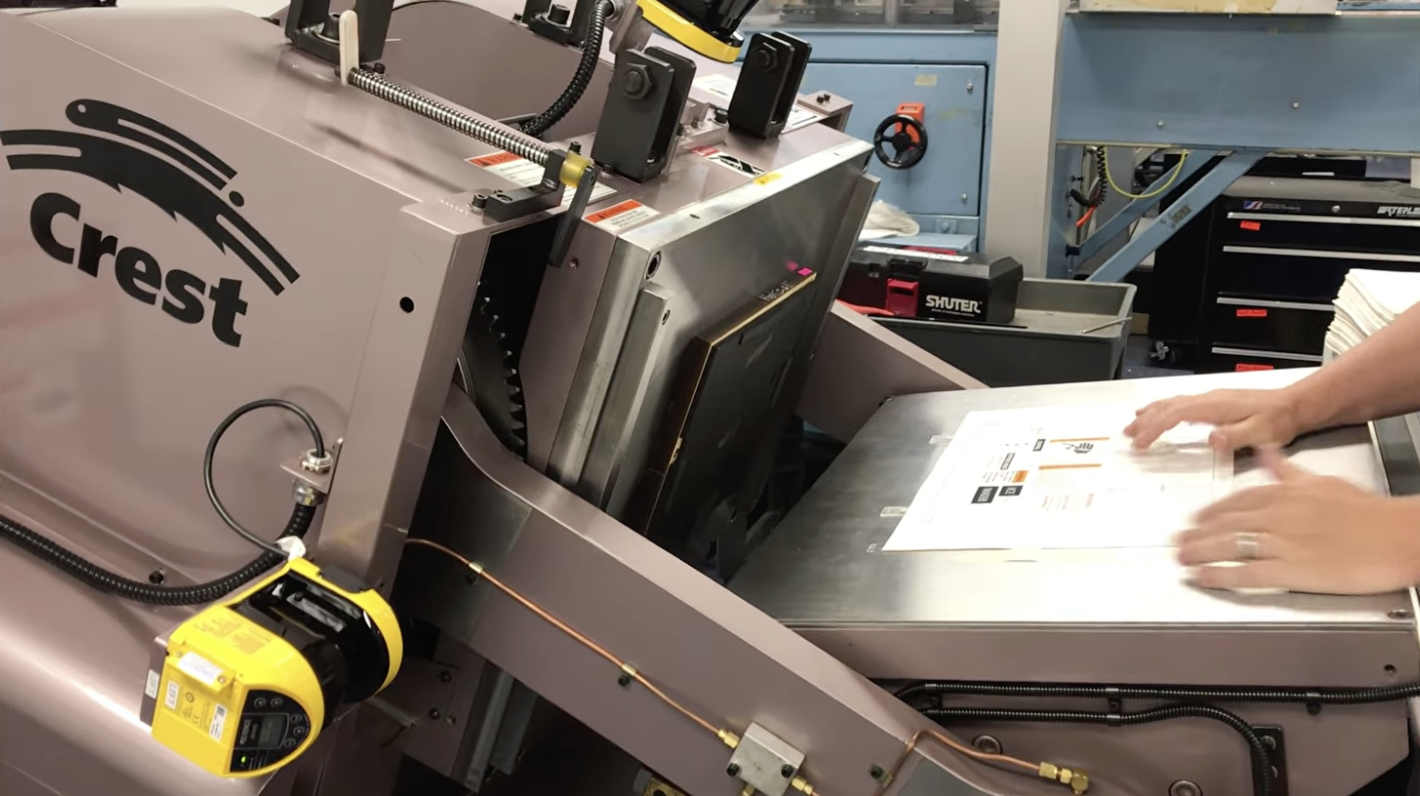
With an installed base of more than 225 Crest presses in North America and globally, you might expect a reasonably active used market. In practice, there are typically only five or six used Crest presses available at any given time. The reason is straightforward: these machines are working. A well-maintained clamshell press has a long productive life, and operations that have invested in one tend to keep it.
What enters the used market is usually equipment from shop closures, consolidations, or format upgrades — not machines that have run out of useful life. That means the used machines that do come available are often in acceptable condition, but they come with limited documentation, no warranty, and configuration uncertainty.
"The used clamshell market is not a reliable path to a specific configuration. If you need a Medium format press in the next 90 days, the odds that one comes available in that window with the spec you need are not in your favor. New equipment has a lead time, but at least the lead time is predictable."
— Rob Weidhaas, Die Cutting Advisors
If a used Crest press does come available that fits your format requirements, there are several variables worth examining carefully before purchase. Press hours and production history matter, but clamshell presses don't have standardized hour meters the way automotive equipment does — the more useful indicator is cut cycle count and substrate history. A press that has run primarily light board will be in different condition than one that has been running heavy corrugated at volume for a decade.
Platen parallelism, cutting plate condition, and drive system wear are the three mechanical variables with the most impact on production performance. Any used press evaluation should include a test cut on a representative die and substrate. If the seller won't allow that, it's a signal.
New Crest presses are manufactured by IPFM in Taichung, Taiwan, and lead times typically run three to three and a half months for the Small format configuration, with medium and large format lead times varying based on configuration and order volume.
For buyers who are planning a capacity addition rather than responding to an immediate production crisis, the new press path offers predictability: known lead time, known spec, full configuration options, and equipment that arrives in documented condition. The capital cost is higher than a used machine, but the total cost of ownership — factoring in installation, calibration, and the risk of unplanned downtime on an unknown machine — is often comparable.
Used clamshell equipment makes the most sense when: budget is genuinely constrained, lead time is more important than configuration, the format available matches your requirements, and you have internal maintenance capability to assess and support the machine. If any of those conditions don't hold, the used market's apparent cost advantage tends to erode.
DCA can help evaluate specific used machines that come to market, and can provide an objective assessment of condition and fair market value. If you're watching the market for a specific configuration, DCA is a useful point of contact — used machines tend to move through industry networks before they reach broad public listing.
.png)