Equipment & Technology
Hot Stamping Equipment 101: A Guide to the Kensol-Franklin Line
Last updated:
September 17, 2026
.png)

Hot stamping is one of the most visually effective finishing processes available to packaging and specialty converting operations — and one of the most underutilized, largely because the equipment decision feels opaque to buyers who haven't run it before. This guide covers the fundamentals of hot stamping press technology, how the Kensol-Franklin line is organized, and the key variables to evaluate when adding hot stamping capability to your operation.
Hot stamping uses a heated die to transfer metallic or pigmented foil from a carrier film to a substrate under pressure. The die is mounted on a heated platen; the foil carrier passes between the die and the substrate; heat and pressure activate the foil release layer, bonding the foil to the substrate surface at the point of contact.
The result is a precise, high-gloss transfer of foil in the shape of the die — whether that's a line of text, a logo, a decorative border, or a complex pattern. Because the die controls the geometry, registration is highly repeatable, and the finish is substantially more durable and vibrant than printed metallic ink alternatives.
Kensol-Franklin manufactures a range of hot stamping presses for packaging, paper, and specialty converting applications. Their equipment spans tabletop and floor-standing configurations, with models designed for both short-run flexibility and high-volume production.
Key variables in the Kensol-Franklin line include platen size, available tonnage, foil feed configuration, and heating system precision. For operations new to hot stamping, the entry-level configurations offer a low-risk path to adding the capability without committing to a high-production platform before the volume justifies it. For operations with existing foil work and defined throughput requirements, the higher-capacity models are built for sustained production with tighter temperature consistency and faster cycle times.
Not every foil runs on every substrate, and matching foil type to substrate is one of the most common sources of quality problems for operations new to stamping. Metallic foils, pigment foils, holographic foils, and soft-touch foils each have different release characteristics, temperature requirements, and adhesion profiles.
Paper-based substrates — coated board, uncoated stock, specialty papers — are the most forgiving. Plastics, laminated stocks, and textured surfaces require more careful foil selection and often require trial runs to establish the correct temperature and pressure combination. This is not a reason to avoid hot stamping on challenging substrates; it's a reason to involve someone with application experience before you order tooling.
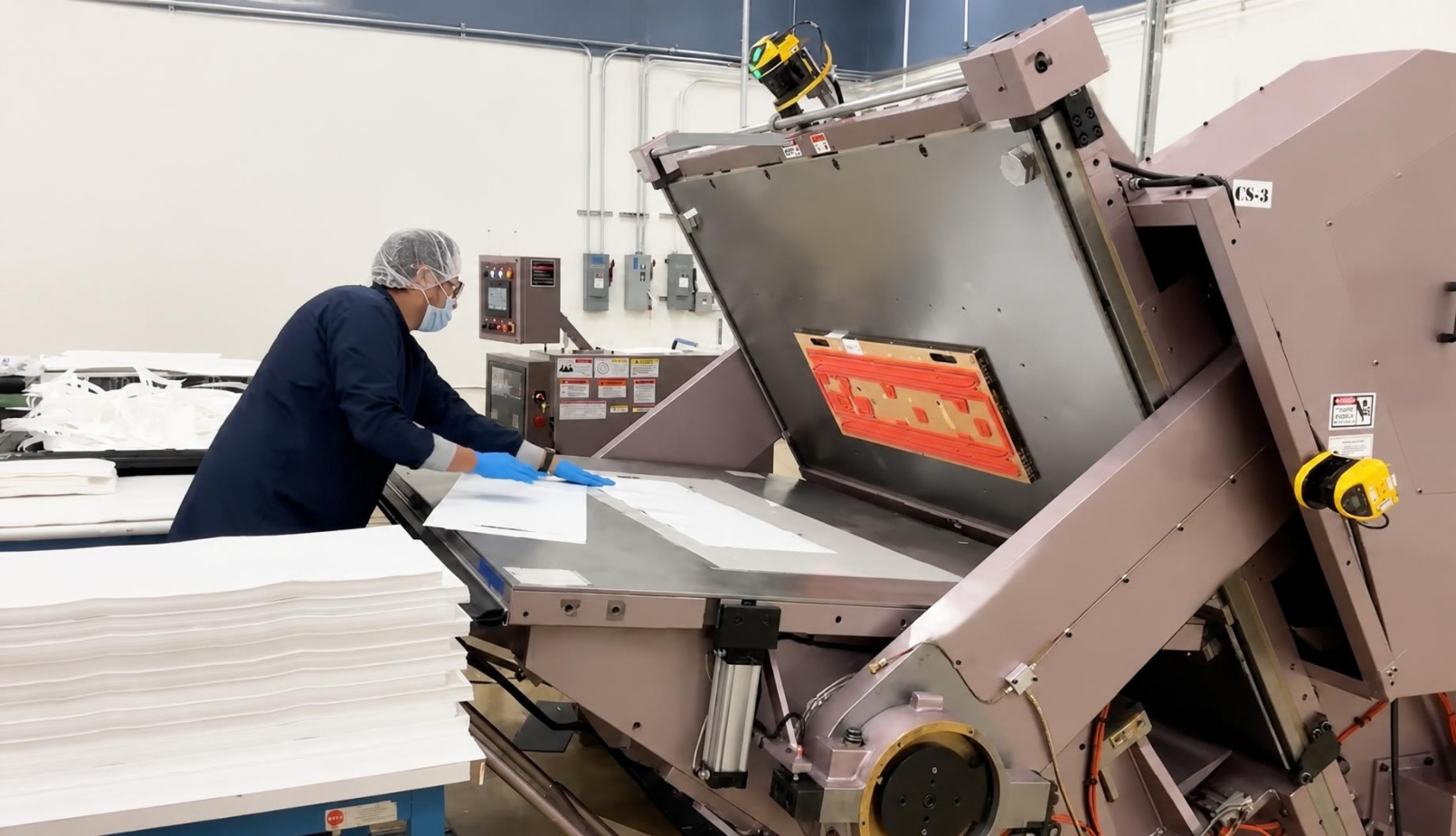
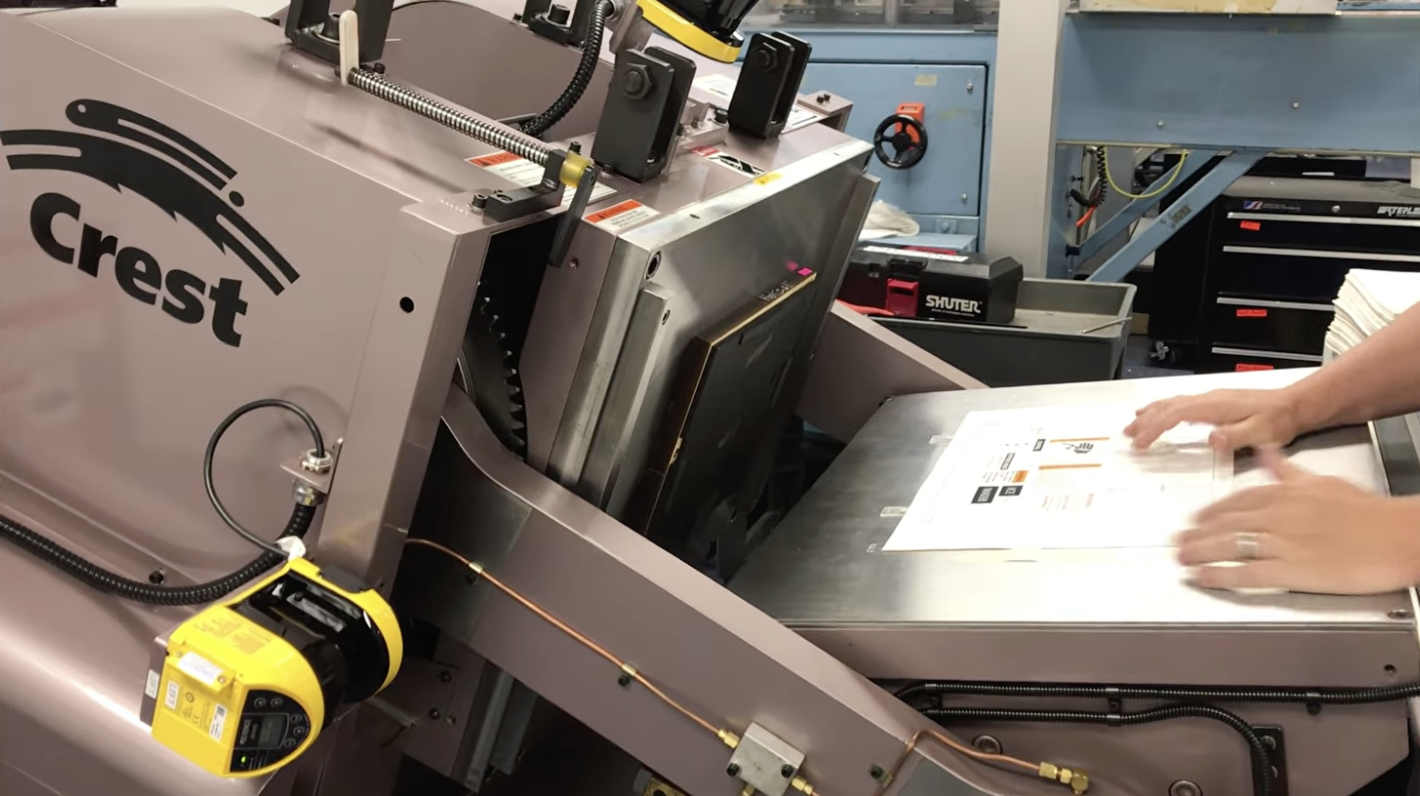
Crest platen presses support heat platen and foil stamping add-ons, which allow cutting and stamping to be performed in a single press pass. This inline configuration is efficient for jobs where the cut geometry and the stamp geometry align and the production volume is sufficient to justify the combined setup.
A standalone Kensol-Franklin press gives you independent hot stamping capacity — the ability to run foil work on jobs that aren't die-cut, and to stage the stamping operation separately from cutting when job complexity or registration tolerance requires it. For operations building out a finishing line, the two-machine approach typically offers more flexibility, but it requires more floor space and capital.
DCA represents Kensol-Franklin alongside the Crest line and can walk you through the configuration trade-offs based on your actual job mix.
.png)